
Card reviews
Independent crypto card reviews from our analysts: cashback, fees, and custody, broken down honestly.

Coinbase Debit Card Review: Unlimited Crypto Rewards, but Rates Vary
The Coinbase Debit Card can suit eligible U.S. Coinbase users who want to earn crypto on purchases without a listed Coinbase annual or monthly card fee. It is more useful for readers who will check the current in-app reward offer before spending, because both the rate and reward choices can change.
Read →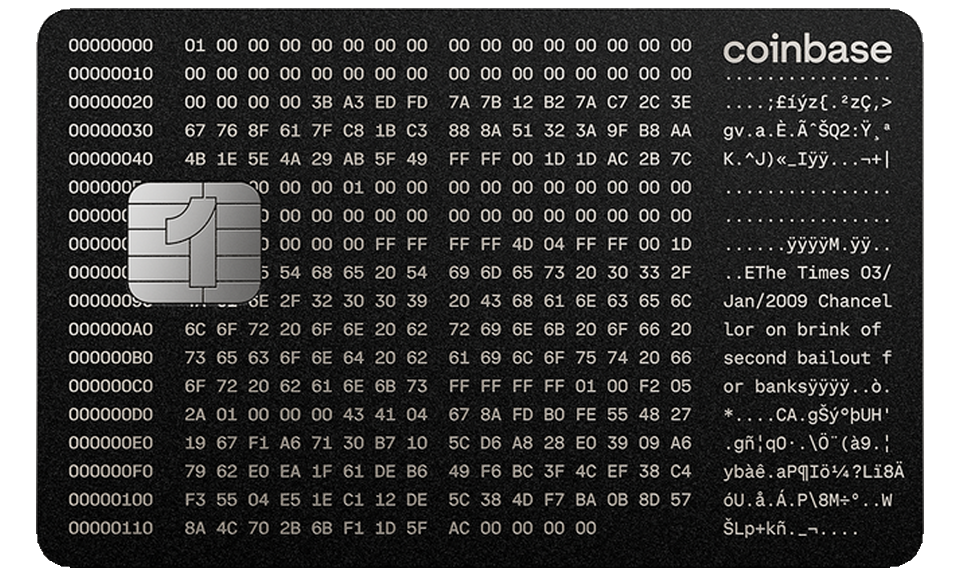
Coinbase One Card Review: 2% to 4% Bitcoin Back, With Coinbase One and Assets
The Coinbase One Card can suit U.S. Coinbase One members who already keep assets on Coinbase and want Bitcoin rewards on eligible purchases. Its 2% floor is notable, while 2.5% to 4% requires larger Coinbase balances and applies only to the first $10,000 in eligible monthly purchases. It is a harder sell if membership is only for the card.
Read →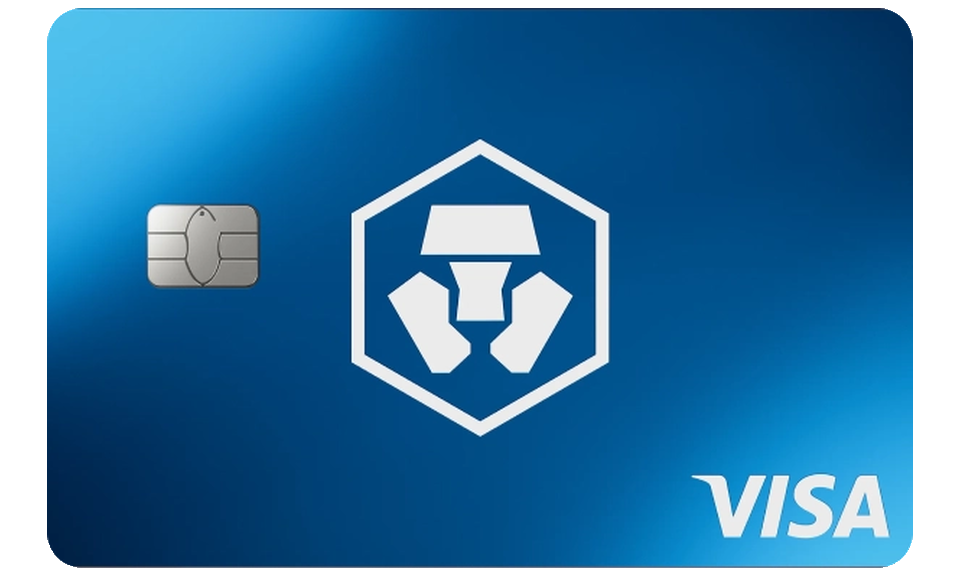
Crypto.com Prepaid Card Review: 5% CRO Rewards, but Tier and Market Terms Vary
The Crypto.com prepaid-card range can suit verified Crypto.com users who already value CRO rewards and can meet the paid subscription or CRO lockup route available in their country. Ruby Steel is the lower-entry reward tier, while Jade, Icy, Rose and Obsidian add higher potential rewards and travel benefits. The key trade-off is that rates, caps, lockup values and charges are not uniform across markets.
Read →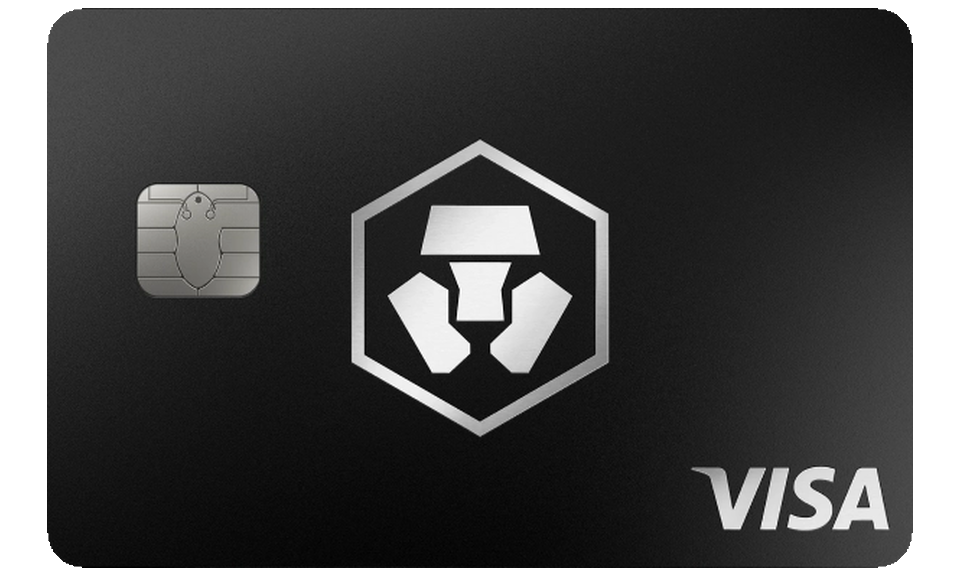
Crypto.com Visa Signature Credit Card Review: Up to 6% CRO Rewards, With CRO Commitments
The Crypto.com Visa Signature Credit Card can suit US shoppers who want card rewards paid in CRO or BTC and are willing to match their tier to a real CRO commitment. Midnight Blue is the simplest entry point. The larger headline rates can be worthwhile only when the required lockup, staking balance, or available subscription route fits the reader's budget and risk tolerance.
Read →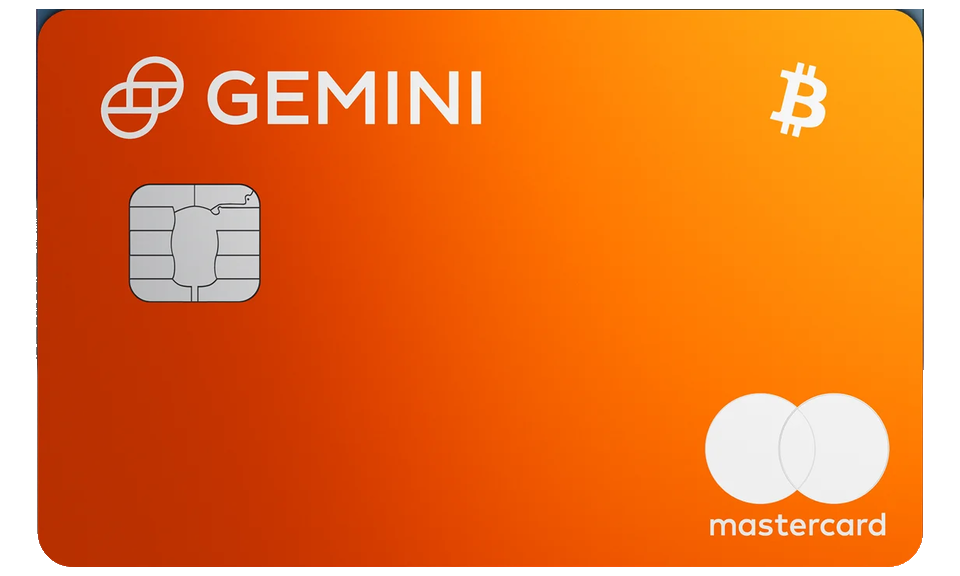
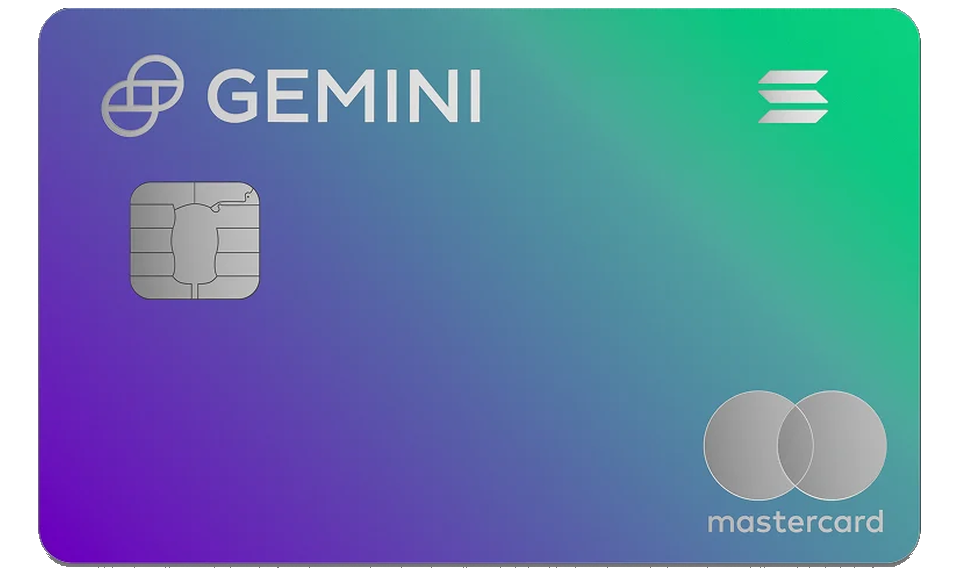
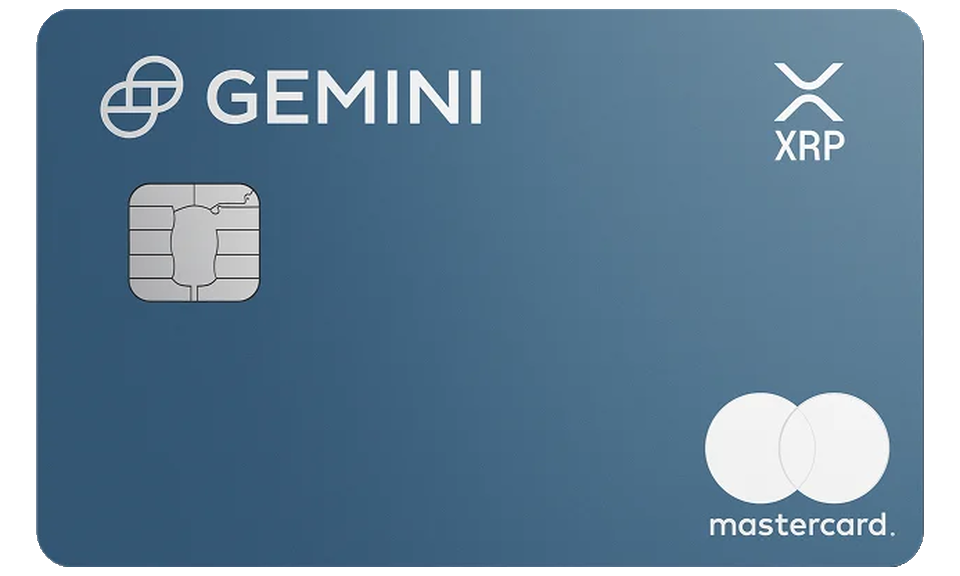
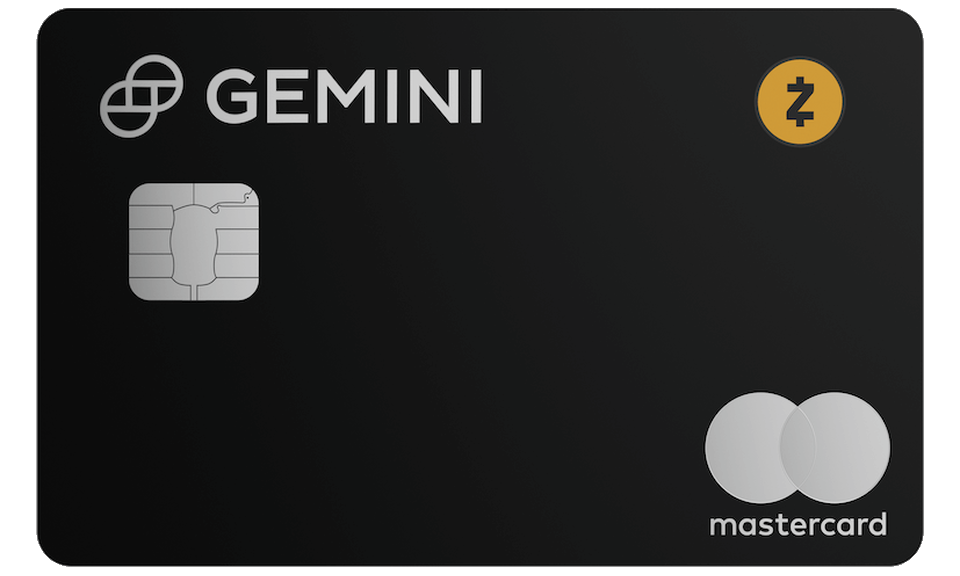
Gemini Credit Card Review: 4% Crypto Back, With a $300 Monthly Cap
The Gemini Credit Card can suit U.S. shoppers who want crypto back on everyday category spend and already have a verified Gemini Exchange account. Its $0 annual fee makes it practical to keep for category spending, but the 4% rate applies to gas, EV charging, transit, taxis, and rideshare only until $300 of monthly spend, then drops to 1%.
Read →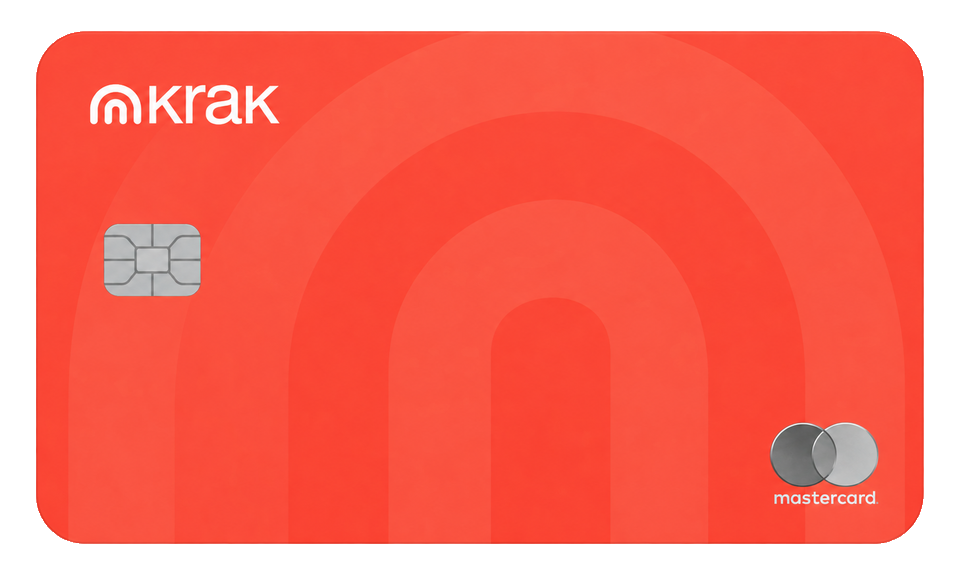
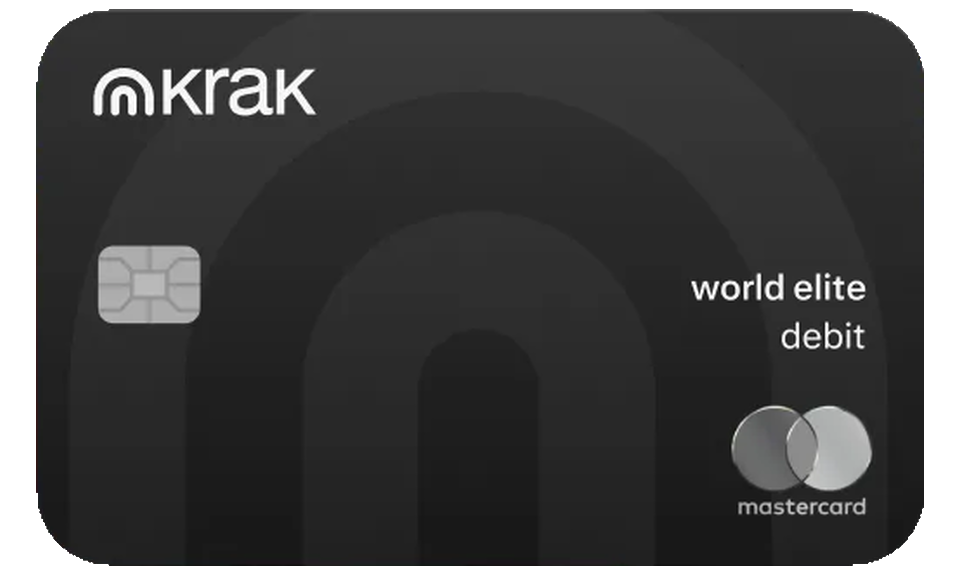
Krak EU Card Review: 2% Cashback, With €50,000 in Qualifying Assets
The Krak EU Card can suit EEA residents who already keep assets across Krak, Kraken and Kraken Pro and want a Mastercard debit card without an annual or monthly fee. The Standard card offers the lower-entry route to cashback. Metal makes more sense only for readers already able to meet its €50,000 qualifying balance requirement.
Read →
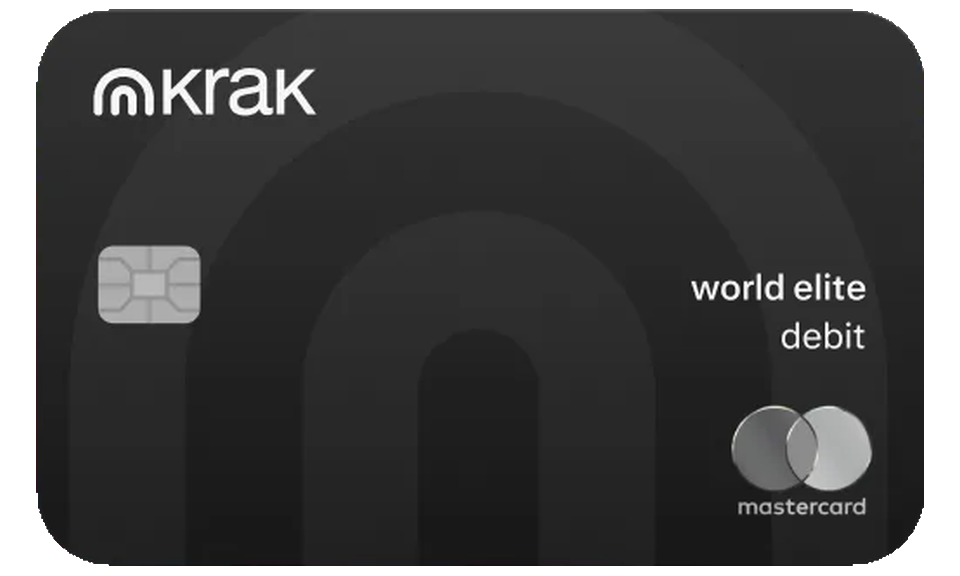
Krak US Card Review: 2% Cashback, With $50,000 in Qualifying Assets
The Standard Card can be a good fit for eligible U.S. residents who already keep assets across Krak, Kraken, and Kraken Pro and want USD or BTC cashback without a monthly or annual card fee. Its value depends on a rolling 30-day average asset balance, with $50,000 required for the 2% tier. Metal is for the same high-balance group that values Concierge travel rewards.
Read →
Metamask Card Review: 1% mUSD Back, Conversion Costs Can Offset It
The Metamask Card can suit existing MetaMask users who want to spend from a self-custodial wallet without paying an annual fee. The 1% mUSD cashback adds modest everyday value, but cardholders need to manage token allowances and watch for cross-border, conversion, ATM, and network charges.
Read →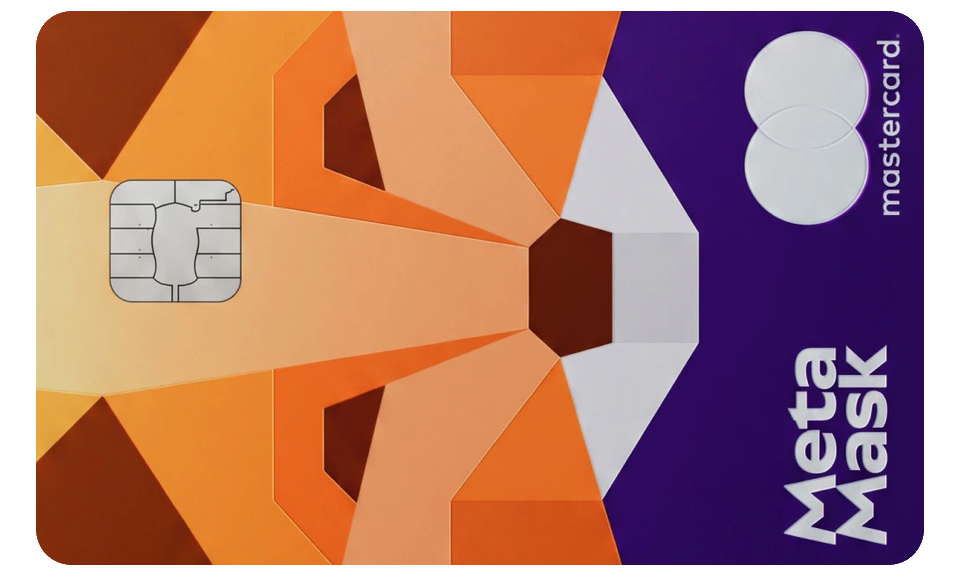
Metamask Metal Card Review: 3% mUSD Back, $199 Annual Fee
The card can suit existing US MetaMask users who want to spend from a self-custodial wallet and expect to use most of the 3% reward band. Reaching $10,000 of annual spend earns $300 in mUSD before costs, but the $199 subscription and possible conversion charges leave a much smaller net benefit.
Read →
RedotPay card Review: Quick virtual access, costly physical option
The virtual card is the more practical RedotPay option for users who want to start spending online quickly and use Apple Pay or Google Pay. Its $10 issuance fee is much easier to justify than the physical card's $100 fee, although the upfront payment cannot be cancelled or refunded.
Read →Editorial independence
Every card is scored against the same fixed methodology by a named analyst, checked line by line against the issuer's own application and pricing pages. A card's rating, ranking, and "pros and cons" are never changed by a commercial relationship, and no issuer can pay for a better score. Our opinions are our own.
Advertiser disclosure
You come first. Every time.
We believe everyone should be able to compare crypto cards with confidence. While we don't cover every card on the market, we work hard to show a wide range of issuers alongside honest, independent analysis.
So how do we make money? Some issuers pay us when you apply through our links, and in some cases applying through our link also gets you a bonus or better terms than applying directly; we note this on the card's own page whenever it's current and verified. It never changes a card's rating, ranking, or verdict. No issuer can pay us for a better score.